Creating the Perfect Tailored Vegetable Boxes: A Step-by-Step Approach
Constructing custom produce boxes requires a deliberate approach. Specialists must evaluate environmental impact, functionality, and visual appeal. Picking the appropriate components is crucial for preserving freshness and advancing environmentally conscious methods. Additionally, dimensions and configuration can greatly influence ease of use and shipping efficiency. Compelling visual elements enhance brand recognition, while thorough testing guarantees strength. Understanding these components will uncover vital insights into creating remarkable container approaches that appeal to customers. What comes next is fundamental to achieving those targets.
Choosing the Right Components for Custom Produce Boxes
When choosing materials for custom produce boxes, it is essential to assess both performance and environmental responsibility. The selection of material greatly impacts the box's durability, weight, and capacity to protect the contents. Common materials consist of corrugated cardboard, which provides strength and is reusable, making it a popular choice for eco-conscious businesses. Biodegradable options, such as molded pulp or plant-based plastics, also align with sustainable practices while providing sufficient protection for delicate produce.
Additionally, water resistance is important for keeping freshness intact, leading some producers to examine specially processed substances or targeted protective finishes. The visual character of the box warrants attention, as brand messaging and design aesthetics can shape customer attitudes. Ultimately, the proper selection should achieve balance between preserving the goods, appealing to customers, and complying with sustainability guidelines, making certain that usefulness and environmental responsibility are central to the creation phase.
How to Choose Size and Shape for Functionality?
When selecting the size and shape of custom produce boxes, thorough evaluation of produce dimensions is essential for effective storage. Additionally, attention to handling and transport can affect the box design, ensuring ease of movement. Maximizing shelf space usage further improves functionality, enabling efficient display and storage.
Evaluate Produce Measurements Carefully
Determining the correct size and shape for produce boxes is vital for smooth operations and productivity. Thorough assessment of produce dimensions is necessary, as it confirms that items fit firmly without extra room that might cause damage during storage or transport. Specialized boxes need to support multiple shapes, from tender fruits to oversized produce, while maintaining robustness. Additionally, the height and width of the boxes should allow for efficient stacking and inventory control, making the best use of space in distribution centers. A expertly crafted container not only preserves the produce but also boosts market presentation for end customers. Ultimately, meticulous planning of dimensions supports waste prevention and enriching customer journey in the product distribution.
Think About the Process of Handling and Transport
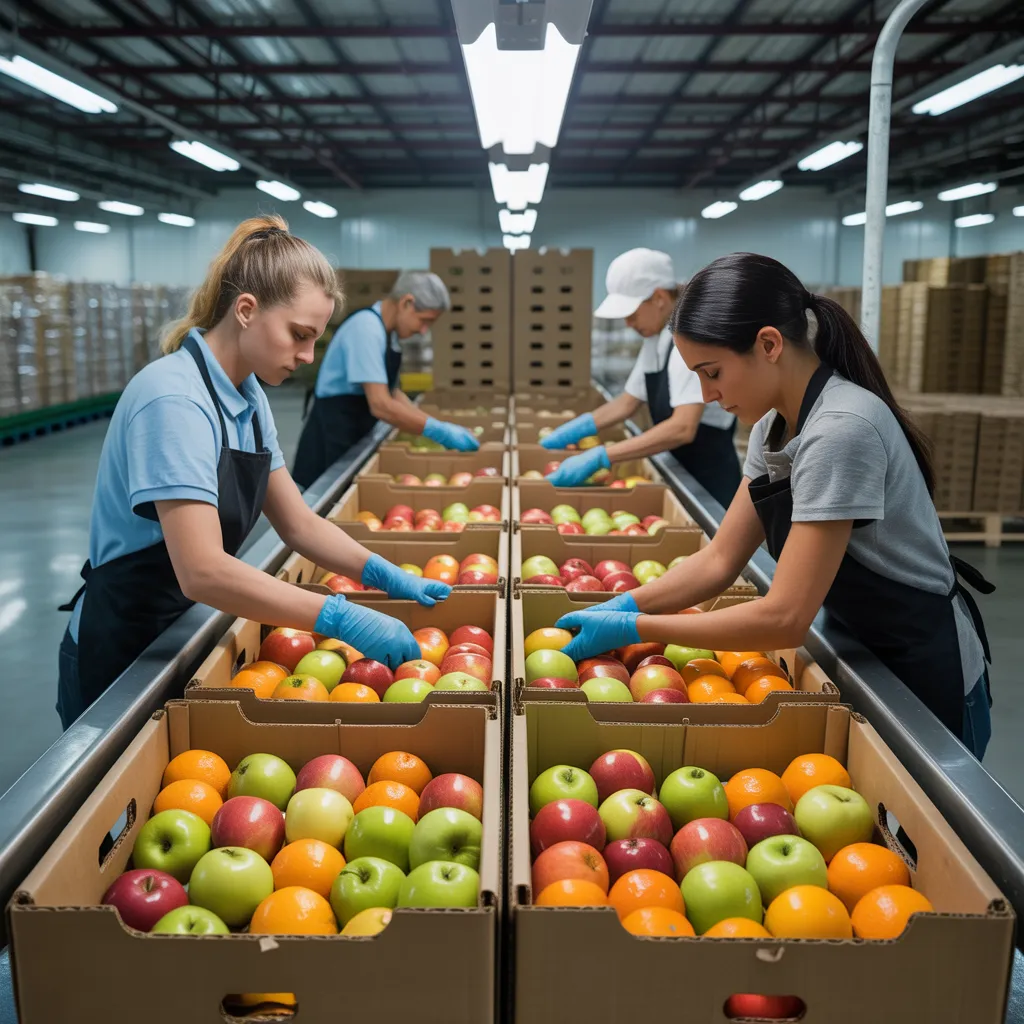
Handling and delivery considerations have a significant role in determining the appropriate size and configuration of bespoke produce containers. The measurements must accommodate the produce without excessive space, that might lead to shifting and harm during transport. Smaller, compact boxes make easier management, whereas larger boxes may be essential to handle bulkier products. Also, thoughtful design remains essential; grip points or openings ought to get deliberately placed to allow for easy hoisting and carrying. The form of the container also affects stacking and stability, guaranteeing which goods remain intact. Finally, thorough thought regarding these components enhances the efficiency in transport, minimizes item loss, while supports the complete soundness of the fresh goods from farm to buyer.
Optimize Shelf Space Utilization
Effective storage space management copyrights upon determining the proper form and dimensions of custom produce boxes. Specialists should take into account the dimensions of the shelving units as well as the types of produce being positioned. Rectangular boxes often strengthen space efficiency, allowing for easier arrangement and stacking. By contrast, irregular designs can heighten visual appeal but may lead towards wasted space if not meticulously planned.
It's vital to examine the product rotation speed; quick-moving products might gain from smaller, conveniently positioned containers. In addition, utilizing adaptable or modular frameworks can facilitate various dimensions of merchandise while enhancing display organization. By focusing on functionality and aesthetic value, organizations can construct a practical and eye-catching presentation that improves both accessibility and visibility of goods.
How to Make Images That Draw Attention?
Engaging visuals can transform a basic custom produce box into a visual masterpiece that captures attention. To accomplish this, creatives should start by choosing a color scheme that showcases the freshness and vibrancy of the produce. Bright, striking colors can inspire sensations of freshness and health, compelling consumers to take a second glance.
Strong typography is also essential; clear and legible fonts can properly convey essential information while strengthening aesthetic charm. Additionally, leveraging excellent photographs of the merchandise can build instant rapport, presenting the item's superiority and enticing potential buyers.
Furthermore, incorporating original designs and artwork can assist in setting apart the brand in a congested market. Consistency in design elements, such as logos and taglines, reinforces brand identity. Ultimately, a blend of creativity and clarity in visual design can greatly boost the significance of custom produce boxes, making them stand out on shelves.
Eco-Friendly Practices for Custom Produce Box Wrapping
An increasing number of businesses are implementing eco-friendly methods for custom produce box packaging, recognizing its importance in today's environmentally conscious market. These approaches often encompass the use of biodegradable materials, such as recycled paper and plant-based plastics, which minimize environmental impact. Companies are also focusing on sustainable sourcing, guaranteeing that materials are obtained from responsibly managed forests or suppliers who prioritize environmental stewardship.
In turn, numerous brands are going with minimalistic formats that minimize waste while still effectively displaying their products. This approach not only appeals to environmentally aware consumers but also helps in lowering production costs. Moreover, businesses are increasingly adopting effective manufacturing processes that limit energy consumption and waste generation. By implementing these eco-friendly practices, companies not only enhance their brand image but also contribute positively to the planet, positioning their operations with a sustainable future.
Verify Your Made-to-Order Produce Box Design
Assessing the design of custom produce boxes is a critical component in ensuring they fulfill both visual and functional criteria. This process typically involves examining factors including durability, measurements, and functionality. First, trial models must be constructed to assess the box's mechanical strength, confirming it is able to resist transportation and holding without weakening the contents.
Subsequently, functional tests can be implemented to establish how easily the boxes can be pried open, shut, and stacked. Input from future users can be invaluable in this stage, communicating understanding into the box's practicality.
Moreover, the visual attractiveness of the design should be assessed through focus group discussions or customer surveys, gauging consumer reactions to branding elements, hues, and overall presentation.
Ultimately, thorough testing allows designers to improve the box, guaranteeing it not only appeals to customers but also adequately safeguards and presents the produce within, achieving the right balance between form and function.
Successfully Publicize Your Made-to-Order Produce Boxes
Effective marketing of custom vegetable containers requires a strategic approach that highlights their unique features and benefits. Businesses must focus on identifying their target audience, whether they are local farms, grocery stores, or individual consumers. Utilizing social networking sites can amplify market visibility, showcasing the boxes' appearance and functionality through compelling visuals and storytelling.
Additionally, establishing partnerships with local influencers or farmers can strengthen standing and expand reach. Featuring incentives or cost savings during seasonal peaks can capture early customers and encourage sustained patronage.
Moreover, emphasizing sustainability and eco-friendliness in advertising content can appeal to environmentally conscious consumers. Delivering detailed information about the composition of materials and the benefits of personalized packaging options can better position the product in an increasingly competitive landscape.
In the end, a thorough marketing strategy that integrates digital and neighborhood-level programs will successfully promote custom produce boxes, engaging a diverse clientele and driving sales.
Often Asked Questions
What Expenses are Involved in Custom Produce Box Design?
Charges related to custom produce box design contain materials, print production, work hours, and freight. Also, design consultation and minimum order quantities can shape overall expenses, creating different pricing structures based on individual specifications and production size.
What Period Is Involved to Generate Made-to-order Boxes?
Crafting customized boxes normally demands two to six weeks. Factors that influence this duration key resource comprise design complexity, availability of materials, and manufacturing capacity, each of which might impact shipment timelines and lead times.
Can I Order a Small Quantity of Personalized Produce Boxes?
Yes, modest quantities of custom produce boxes can generally be ordered. Many merchants deliver threshold order amounts, making it possible for firms or consumers to get tailored packaging options without having to commit to substantial amounts initially.
What Common Mistakes Should You Dodge in Made-to-Order Box Creation?
Typical mistakes in custom box design involve overlooking functionality, ignoring brand consistency, underestimating material quality, failing to take into account target audience preferences, and disregarding environmental impact. Each aspect is vital for successful packaging and customer satisfaction.
How Can I Make Sure My Boxes Meet Food Safety Standards?
To confirm boxes are food-safe, one needs to opt for materials qualified for food contact, steer clear of toxic inks and adhesives, maintain cleanliness during production, and regularly test for compliance with health regulations and safety standards.